
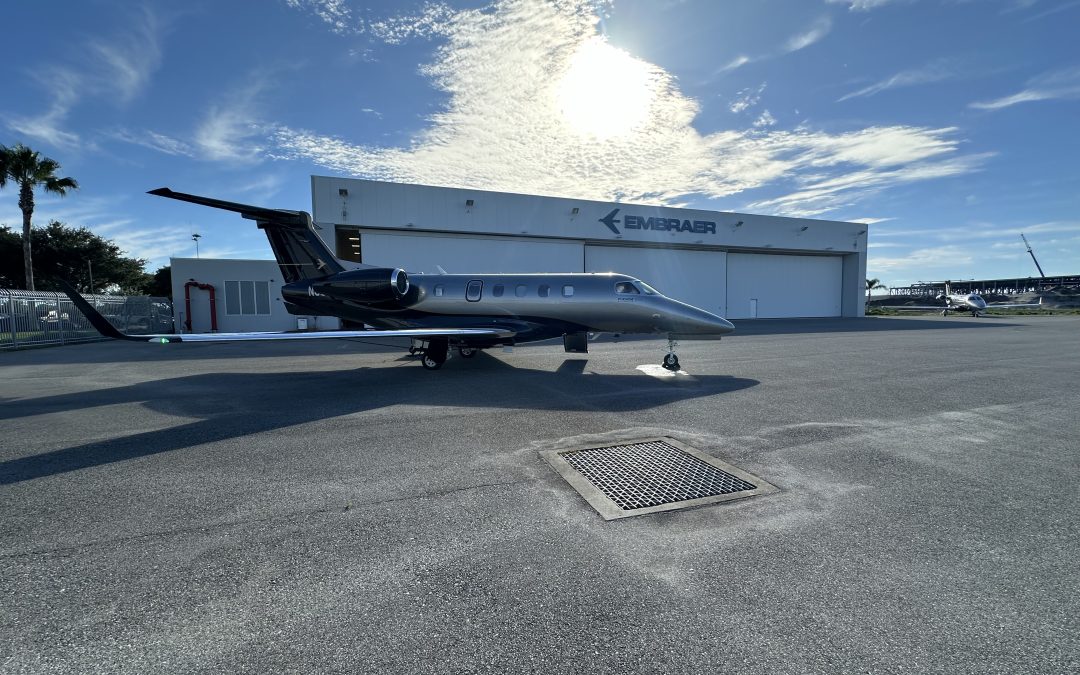
Every airline and private operator faces the same headache, yes, you are right, we were discussing aircraft downtime. When a jet is waiting on paperwork, compliance approvals, or delivery coordination, it’s not flying passengers or generating revenue. In fact, according to Aviation Week, unexpected delays during the delivery phase can cost airlines thousands of dollars per hour in lost productivity and crew rescheduling fees. This is where Embraer expert delivery planning comes in. Think of it as having a project manager, logistics coordinator, and compliance expert all rolled into one, making sure every part of the delivery process is smooth and predictable.
From factory acceptance inspections and regulatory documentation to ferry flights and final handover, expert delivery planning helps operators avoid costly surprises and get their aircraft mission-ready faster. For fleet managers and owner-operators, this means fewer delays, better compliance with manufacturer standards, and a faster return on investment. It’s not just about moving an airplane from Point A to Point B; it’s about keeping your business moving forward.
Understanding Delivery Planning in Aviation
Delivery planning, in the aviation industry, is the process of coordinating all the moving parts that must come together before an aircraft can officially join an airline’s fleet. For Embraer aircraft or any other manufacturer, this includes scheduling final inspections, verifying compliance with regulatory and warranty requirements, ensuring documentation is in order, and preparing the aircraft for immediate service.
Think of it as project management for aircraft acquisition. Instead of just waiting for the manufacturer to hand over the keys, airlines that prioritize delivery planning work proactively to align delivery schedules with their operational needs. This involves coordinating with manufacturers, maintenance teams, regulators, and internal departments to ensure there are no last-minute surprises.
Common Challenges Airlines Face Without Proper Planning
Unfortunately, many operators underestimate the complexity of aircraft delivery. Without expert planning, airlines often run into these issues:
Missed Delivery Deadlines: Even a few days’ delay can have a ripple effect across an airline’s schedule. Grounded aircraft mean missed revenue opportunities and potential cancellations.
Compliance Gaps: Aircraft must meet strict regulatory and warranty standards set by Embraer and aviation authorities. Any oversight can result in expensive rework or regulatory penalties.
Operational Inefficiency: When deliveries are not aligned with fleet demand, airlines may face scheduling challenges, crew idle time, or overutilization of existing aircraft.
Unplanned Costs: Rushing to complete last-minute documentation or address compliance issues can lead to higher costs and unnecessary downtime.
These challenges don’t just affect the bottom line; they impact passenger experience, brand reputation, and the airline’s ability to compete effectively.
How Expert Delivery Planning Solves these Problems?
This is where expert delivery planning steps in as a game-changer. By involving specialists who understand the nuances of the process, airlines can take control of the delivery timeline and avoid costly disruptions.
Optimized Scheduling: Delivery specialists align aircraft handover schedules with fleet demand, ensuring that aircraft arrive when they are needed most, not too early to cause parking costs and not too late to cause operational stress.
Streamlined Compliance: Experts meticulously review documentation and ensure each aircraft meets Embraer’s warranty and aviation regulatory standards. This prevents delays due to missed inspections or incomplete paperwork.
Risk Mitigation: Potential bottlenecks are identified early, whether in logistics, customs, or certification, and addressed before they become major problems.
Cost Savings: By avoiding last-minute surprises, airlines save on rush fees, prevent lost revenue from grounded planes, and minimize the operational costs associated with rescheduling flights or crews.
Simply put, expert delivery planning helps airlines move from a reactive to a proactive approach, giving them more control over one of the most critical points in fleet management.
The Impact on Fleet Readiness
Fleet readiness is all about having aircraft available and reliable when needed. Proactive delivery planning directly contributes to this by reducing the time between delivery and first flight. Metrics such as turnaround time (the period between aircraft acceptance and first revenue flight), aircraft utilization rate, and maintenance predictability all improve when delivery is well-coordinated.
This means fewer last-minute cancellations, more consistent schedules, and a smoother experience for passengers. For airlines, the result is not just operational efficiency but also stronger brand trust. Passengers notice reliability, and that can be a competitive advantage in a crowded market.
Why Partner with a Delivery Specialist?
Partnering with a delivery planning expert is not just about convenience; it’s about protecting your investment. These specialists bring:
Industry Knowledge: Deep familiarity with Embraer delivery procedures and regulatory requirements.
Network Access: Relationships with manufacturers, regulators, and maintenance providers to speed up approvals and coordination.
Peace of Mind: Confidence that every detail is handled, freeing airline teams to focus on operations and strategy.
For growing airlines, having a dedicated expert means smoother fleet transitions and better long-term planning.
Conclusion
Aircraft delivery is too important to leave to chance. Expert delivery planning reduces downtime, saves money, and improves fleet readiness, allowing airlines to operate more efficiently and keep passengers happy. If your airline is preparing for new aircraft deliveries or looking to streamline the process, partnering with an Embraer delivery specialist will be one of the smartest investments you make.